




Published: February 4, 2026
How to Choose a Coffee Table
Your coffee table is more than just your mug's BFF. It anchors your seating area, pulls your layout together, and does a surprising amount of everyday heavy lifting. The right choice balances form and function by factoring in size, shape, height, and material, all while working with your lifestyle and seating layout. Whether you're styling a cozy corner or furnishing a full living room, this coffee table buying guide will help you find the right coffee table for a polished, practical space.

Coffee Table Shapes
Coffee table shapes play a big role in how a room looks, feels, and functions. If you're wondering how to choose a coffee table, the right shape can improve movement, comfort, and visual balance—especially when selecting a coffee table for a sectional or a coffee table for a small living room.
Rectangular Coffee Tables
A versatile option for both casual and formal living areas, rectangular coffee tables are a go-to choice for standard sofas and longer seating arrangements. They offer generous surface space for entertaining, everyday use, and styling with books, trays, and decor.
Round and Oval Coffee Tables
Round and oval coffee tables are great for small spaces, but they work just as well with sectionals. Their curved edges help soften the straight lines of a sectional and improve flow when space is tight around a chaise or corner seat, keeping the layout feeling open without sacrificing surface space.

Coffee Table Size, Height, and Placement Fundamentals
When it comes to choosing a coffee table, getting the proportions right is key. Coffee table sizes and coffee table height affect comfort, function, and visual flow.
Coffee Table Height Basics
A coffee table should sit at or slightly below the height of your sofa seat. However, lower-profile tables often suit modern or lounge-style spaces, where a relaxed and casual feel is part of the appeal.
Length and Width Guidelines
A coffee table should typically measure about two-thirds the length of the sofa it faces. Oversized tables work well with large sectionals and spacious rooms, while smaller tables make more sense in small spaces.
Spacing and Placement
There should be approximately fourteen to eighteen inches of space between your sofa and coffee table to allow for comfortable legroom and easy movement. Extra clearance should be considered for walking paths and for opening drawers or lift-top features, especially in multifunctional spaces.

Coffee Table Materials
Material choice affects durability, maintenance, and the overall vibe of your living room. The best option depends on how the space is used, from everyday lounging to frequent entertaining.
Wood Coffee Tables
Wood brings warmth, durability, and flexibility. It fits a variety of styles and holds up well in high-traffic living rooms or homes with pets and kids.
Glass Coffee Tables
Glass keeps a room open and visually light, which works well in small spaces. However, it requires regular cleaning, as fingerprints and smudges are more noticeable.
Metal, Stone, and Mixed Materials
These offer a modern or globally inspired look. They are durable, visually striking, and suited for high-traffic areas or rooms designed for entertaining, but maintenance varies.

Storage, Functionality, and Lifestyle Considerations
Coffee tables should fit the way you live, offering practical solutions without compromising style.
Coffee Tables with Storage
Tables with drawers, shelves, lift-tops, or hidden compartments help keep remotes, books, throws, and games organized and out of sight. They are particularly useful in small apartments or shared living spaces.
Multi-Functional Coffee Tables
Lift-top or adjustable tables can double as a workspace or casual dining surface, making them perfect for multipurpose spaces.
Nesting Tables
Nesting tables offer flexible surface space. They can be pulled apart for entertaining and tucked away when not needed, which is ideal for small spaces or households that need adaptable layouts.

Coffee Table Buying Guide FAQ
How tall should a coffee table be?
It should sit at or slightly below the height of the sofa seat, usually sixteen to eighteen inches.
What shape coffee table works best with a sectional?
Round and square coffee tables pair especially well with sectionals, helping traffic flow and softening all those right angles. If you love a rectangular look, opt for a smaller-scale rectangle that leaves enough breathing room around the seating.
How much space should be between a sofa and coffee table?
Fourteen to eighteen inches allows comfortable movement and legroom.
Are glass coffee tables practical?
Yes, particularly in smaller or low-traffic spaces, though they require more frequent cleaning.
Should a coffee table match the TV stand?
Not necessarily. Coordinating finishes or materials is enough to create a cohesive look without feeling matchy.
What material is best for high-traffic living rooms?
Wood, metal, and stone are all durable options that hold up to everyday use while keeping the room stylish.
Shop Best Selling Coffee Tables


Pascal Acacia Wood Coffee Table


Anish Round Natural Wood Ribbed Pedestal Coffee Table

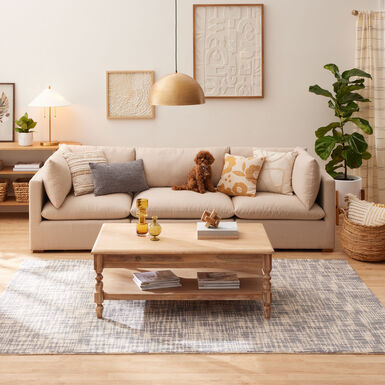
Everett Wood Coffee Table


Gregor Round Driftwood Wood Ball Coffee Table


Russo Round Fluted Wood Coffee Table with Storage


Barnes Wood Scandi Nesting Coffee Tables 2 Piece Set
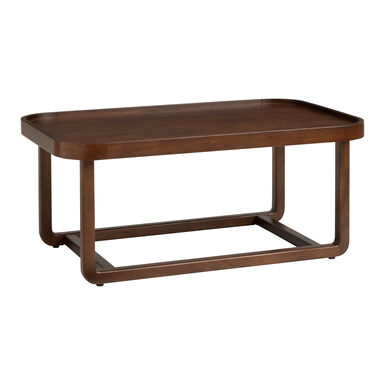

Brinley Deep Walnut Curved Tray Top Coffee Table